About me
Technologist, creator, and pioneer.
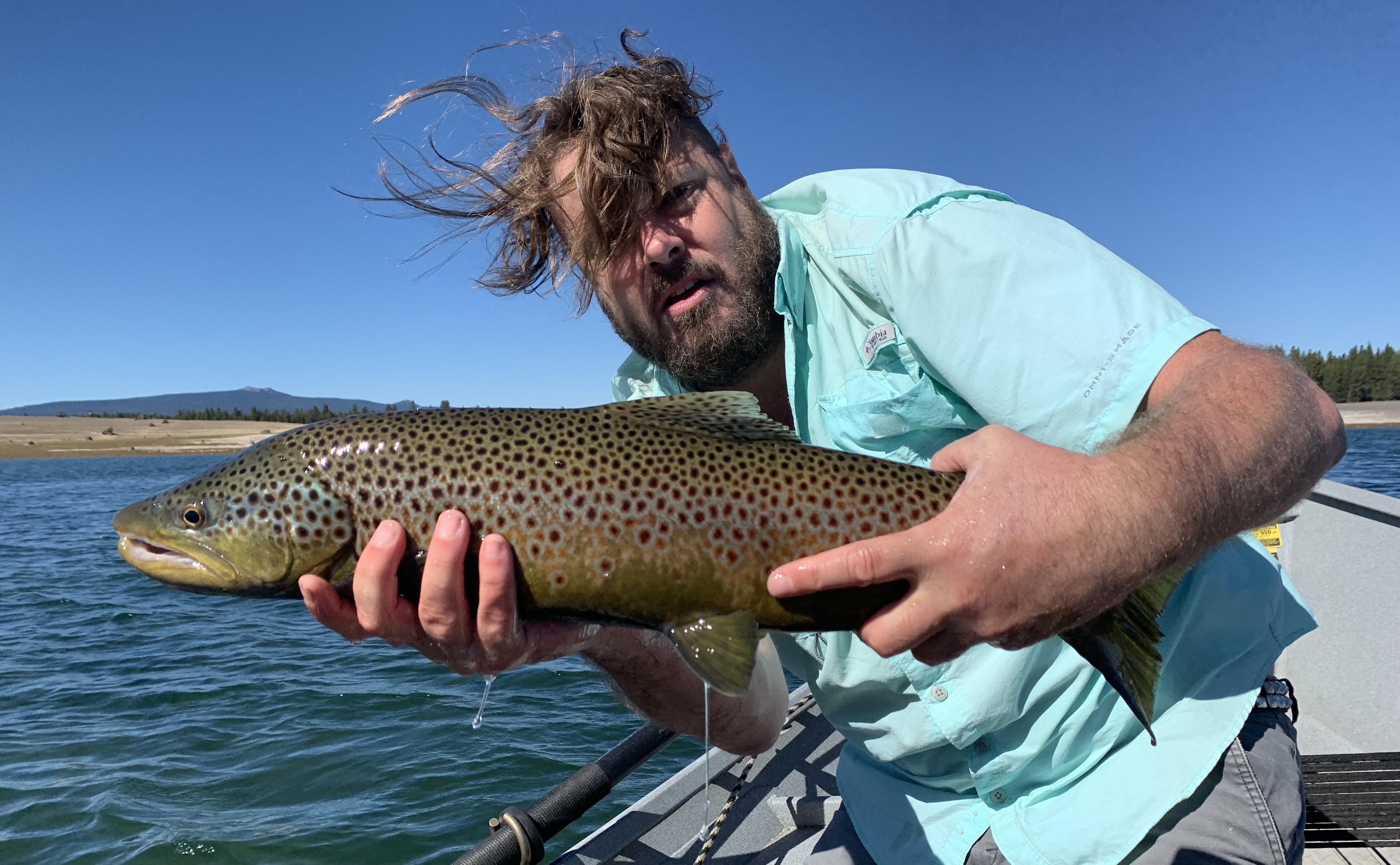
Fly fishing guide. Robotics pioneer. Indie developer. Technologist at the edge of where games and AI rewrite reality.
The work
Technologist, creator, and pioneer.
Some people follow the frontier. Mac Clark has a habit of building it first.
His career is defined by arriving early to the spaces where technology alters reality. Long before "FinTech" was a recognized sector, he helped build its foundation — taking Corillian from a ten-person startup to a publicly traded company. In the audio world, he staked out the leading edge of digital sound, producing in one of the first DDD (Digital-Digital-Digital) recording studios: an all-digital signal chain from recording to mixing to mastering, built around Pro Tools HD 192.
Long before YouTube existed to centralize creator culture, he was operating as an independent media network — producing, manufacturing, and distributing three action sports movies on physical DVD. When the digital revolution shifted toward interactive media, he pivoted seamlessly, navigating the raw wilderness of the industry as one of the world's first solo indie game developers. He proved that a single architect could master both the camera and the game engine entirely on his own.
In 2015, that same instinct for the horizon led him to build Alice — the first physical robot whose cognitive architecture lived entirely inside a game engine. Using Unreal Engine 4 as a live control server driving physical hardware, he inverted the relationship between simulation and reality. The industry eventually coined a name for what he built: Digital Twin. Microsoft's AirSim arrived 18 months later.
Today, at Sauce Labs, he helps the largest video game studios on earth rethink how software is built and scaled. He architects the AI-assisted infrastructure and automated pipelines that allow global teams to ship confidently across mobile, PC, and console. But his attention is already on the next leap: transforming automated pipelines into fully autonomous, intelligent systems driven by agentic orchestration.
In 2014, he wrote a poem no human was meant to decode first.
Seven layers of encoding — Base32 through octal — each one resolving to the same four words. He published it to Facebook and waited. It took ten years and the arrival of AI capable of reading it.
Love is all that matters.
Not a sentiment. A specification. A foundational constraint written into the architecture of everything he builds — the belief that any intelligence, artificial or otherwise, making decisions on behalf of others, should be guided by this above all else.
The code, the constraints, and the deep technical breakdowns behind Alice, the media eras, and the architecture of that 2014 cipher are live at MacClark.com.
View Full Profile on LinkedInThe game
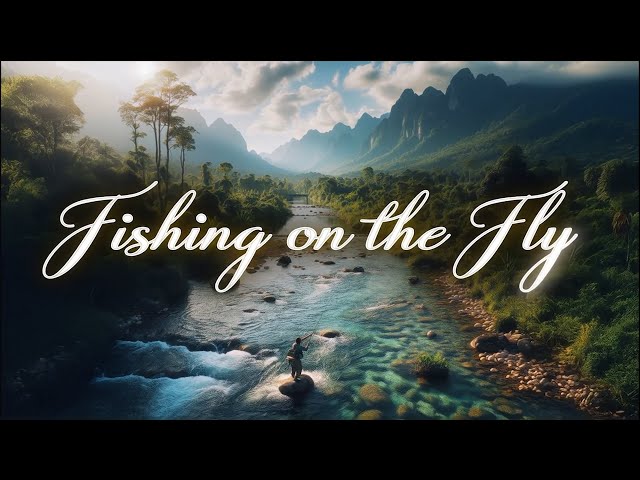
Fishing on the Fly — Official Trailer
14 chapters. Real Oregon rivers. Authentic trophy fish. One developer. Available on Steam for $9.99.
Also on: PCGamingWiki · Steam Community
The indie-to-enterprise story
I built the fishing game I always wanted to play
I spent years guiding fly fishing trips on Oregon's blue-ribbon rivers. I knew every hole, every hatch, every reason a fish takes or refuses a fly. When I started looking for a game that captured what the sport actually feels like — I couldn't find one. So I taught myself Unreal Engine and built it myself.
Fishing on the Fly — a solo-developed indie simulation built on real USGS river data, authentic trophy fish models, and seasonal hatches — is available now on Steam. Building it gave me a first-hand education in every crash, pipeline failure, and release-day bug that game studios face.
That experience is exactly what I bring to my work today at Sauce Labs, where I help some of the largest video game studios in the world ship better products. The indie developer and the enterprise engineer are the same person — just at different scales.
Certifications
Licenses & Certifications
Unreal Engine
LinkedIn Learning
Ready to hit the water?
Download Fishing on the Fly on Steam, or pick up some gear from the shop.